Understanding Rupay Credit Card UPI Charges: What You Really Need to Know
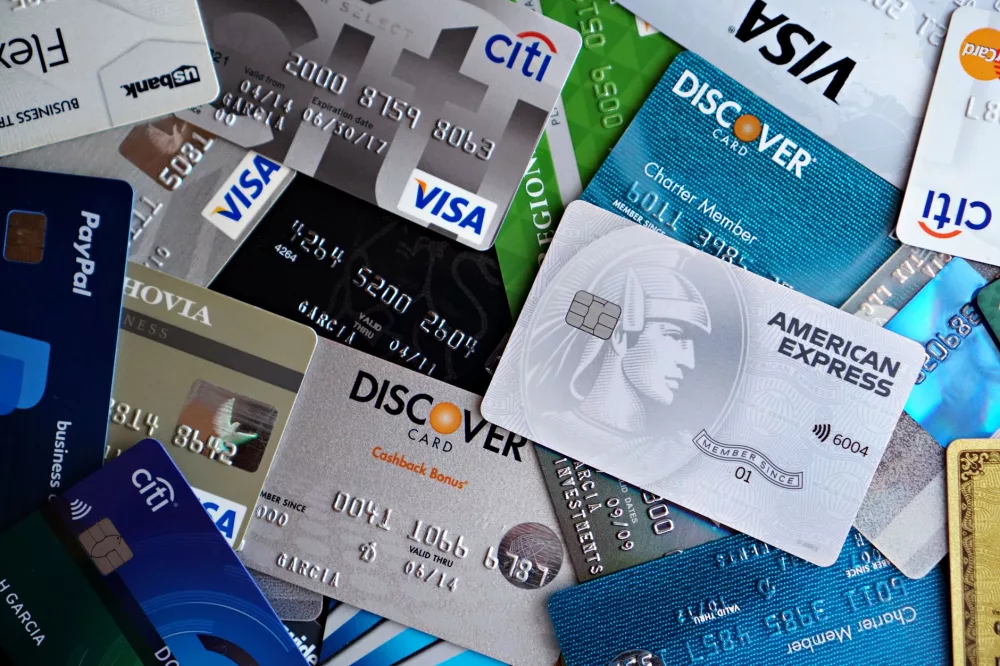
I've noticed a lot of chatter lately about Rupay credit cards linked to UPI, and one question keeps popping up: "Are there charges?" It’s a completely valid concern, especially since we're used to UPI being entirely free for most everyday transactions. Well, let me tell you, it's not as simple as a yes or no, but I'm here to break it down for you in detail. My goal is to clear up any confusion and help you understand the nuances of how Rupay credit cards on UPI are changing the digital payment landscape in India, especially concerning the costs involved.
For years, UPI has been India’s darling of digital payments, making transactions seamless and, crucially, free for the user. We've all grown accustomed to scanning a QR code or entering a UPI ID and seeing the money transfer instantly without a single extra rupee deducted from our accounts. This ease of use is precisely what made UPI such a runaway success. So, when the Reserve Bank of India (RBI) and the National Payments Corporation of India (NPCI) announced that Rupay credit cards could be linked to UPI, it felt like a game-changer. It was designed to give credit card users the same instant, convenient payment experience without needing their physical card, and it was also a strategic move to boost the adoption of Rupay cards, India's homegrown card network.
The Consumer's Perspective: Is It Free for Me?
Let's address the most immediate question for you, the consumer: will you be charged for using your Rupay credit card via UPI? The short answer, and what I want you to remember, is generally no, you won't be charged directly for making payments. This was a deliberate decision by the government and the regulators to ensure that the user experience remains as friction-less and appealing as the traditional UPI bank account payments. Imagine getting all the benefits of a credit card – rewards points, interest-free periods, building a credit score – while paying like you normally would with UPI. It's a sweet deal!
Think about it like this: when you use your physical credit card at a merchant, you don't pay a fee at the point of sale, do you? The merchant typically bears a cost, known as the Merchant Discount Rate (MDR). The same principle, broadly speaking, applies here. The idea is to make credit card payments as easy and cost-effective for you, the customer, as possible, encouraging wider adoption.
What About Specific Transaction Types?
- Merchant Payments: If you're paying a local shop, a supermarket, or an online vendor that accepts UPI payments, and you've linked your Rupay credit card, you're usually not going to see any additional charges on your end. The transaction is debited from your credit limit, just like a regular credit card swipe.
- Person-to-Person (P2P) Transactions: This is an important distinction. Currently, Rupay credit cards linked to UPI are primarily for merchant payments (P2M). You generally cannot use your Rupay credit card on UPI to send money directly to another individual's bank account. This restriction is in place to prevent potential misuse and to align with the credit card's primary purpose of facilitating purchases.
- Cash Withdrawals/Advances: Just like with a physical credit card, using your Rupay credit card via UPI for a cash advance (if such a feature ever becomes widely available or defined) would likely incur charges. These aren't typical day-to-day UPI transactions, and credit card cash advances always come with fees and high interest rates from day one.
The Merchant Discount Rate (MDR): Where the Cost Sits
While you, the customer, aren't directly charged, the system isn't entirely free. The cost in a credit card transaction usually falls on the merchant, and Rupay credit card payments via UPI are no exception. This cost is called the Merchant Discount Rate (MDR). I want to explain what MDR is because it's where the actual financial impact of these transactions lies.
The MDR is essentially a fee that a merchant pays to their bank for processing card payments. This fee is then shared among the acquiring bank (the merchant's bank), the issuing bank (your credit card bank), and the card network (like Rupay). It's how all the players in the payment ecosystem get paid for the services they provide. When you use your Rupay credit card on UPI, the merchant's payment service provider (PSP) or acquiring bank deducts this MDR from the transaction amount before settling it with the merchant.
How Much is the MDR for Rupay Credit Card UPI Transactions?
This is where it gets a bit nuanced. Initially, when Rupay credit cards were brought onto UPI, there was a lot of discussion about how to manage the MDR to ensure merchant adoption without burdening them excessively. The NPCI, which operates UPI, has set guidelines for these charges.
- For transactions up to ₹2,000, there are generally no MDR charges. This was a strategic move to encourage small-value transactions and support small merchants. This is a big win for many small businesses who often deal in these smaller ticket sizes.
- For transactions above ₹2,000, the MDR is typically capped. While specific rates can vary slightly depending on the merchant category (e.g., fuel, education, government, utilities often have lower caps), the general MDR for Rupay credit card transactions on UPI is usually set around 0.5% to 1.5% of the transaction value. I’ve seen figures usually in this range.
It's important to understand that these rates are generally lower than what merchants pay for international card networks like Visa or Mastercard for similar transactions, which is another benefit of Rupay for the Indian ecosystem. The intent here is to strike a balance: allow credit card benefits to consumers, provide revenue to banks and networks, but keep merchant costs reasonable enough to encourage acceptance.
Why Merchants Still Accept It (Mostly)
You might be thinking, "Why would a merchant accept this if they have to pay a fee?" That's a fair question. From what I observe, merchants, especially larger ones, often view the MDR as a cost of doing business. It's the price for:
- Increased Sales: Accepting credit cards can lead to higher average transaction values and attract customers who prefer paying with cards or need credit.
- Convenience for Customers: In today's digital world, customers expect varied payment options. If a merchant doesn't offer it, they might lose business.
- Faster Settlements (compared to traditional card machines): While not instantaneous like UPI bank-to-bank, UPI credit card transactions are usually faster than some traditional card-swiping terminal settlements.
- Reduced Cash Handling: Less cash means less risk of theft, fewer trips to the bank, and easier reconciliation.
For smaller merchants, especially those dealing in transactions under ₹2,000, the zero MDR is a huge incentive, essentially giving them all the benefits of digital payments without any direct cost for those smaller sales. For larger transactions, while there is an MDR, it's often seen as acceptable given the benefits.
The Role of RBI and NPCI
I think it's crucial to acknowledge the regulatory bodies here. The RBI and NPCI have been instrumental in shaping this ecosystem. They've had to walk a tightrope, balancing the interests of consumers, merchants, banks, and the payment networks. Their goal is to foster digital payments, ensure financial inclusion, and promote a robust, secure payment infrastructure. The guidelines around MDR, the capping of charges, and the focus on consumer convenience are all part of this larger vision. They monitor these systems closely, and we might see adjustments to these charge structures in the future based on market feedback and adoption trends. It's a dynamic space, and they're always trying to make it better for everyone.
My Final Thoughts on Rupay Credit Card UPI Charges
In a nutshell, for most of us using a Rupay credit card on UPI for everyday purchases, we don't pay any direct transaction fees. The charges, in the form of MDR, are borne by the merchant, and even then, there are caps and exceptions, particularly for smaller transactions. I believe this model is incredibly beneficial for consumers, offering convenience, security, and the perks of a credit card without added costs. For merchants, it expands their payment acceptance options, potentially boosting sales, albeit with a processing fee for larger transactions. It’s a smart move towards a more digitally integrated economy, making credit accessible and user-friendly in ways we haven't seen before. So, go ahead and link your Rupay credit card to UPI; it's a pretty great feature!